
بله، با کاهش اسید و التهاب، دستگاه گوارش بهتر کار میکند و هضم راحتتر میشود.
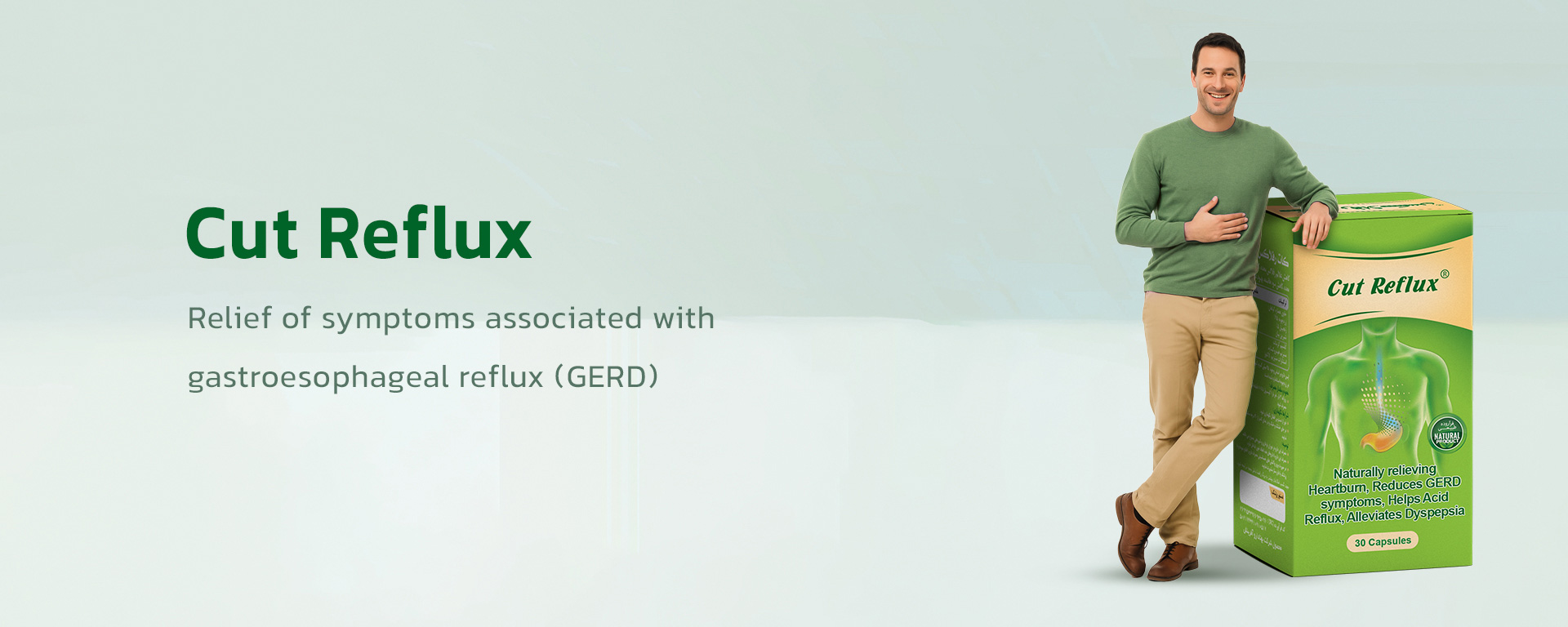
Cut Reflux Capsule
Curcuma longa (Turmeric) root dry extract (Standardized to 95% Curcuminoids) ……….100 mg
Zingiber officinale (Ginger) root dry extract …….100 mg
Glycyrrhiza glabra (Licorice) root dry extract …….25 mg
Calcium Carbonate………100 mg
Magnesium Hydroxide…..50 mg
Relief of symptoms associated with gastroesophageal reflux (GERD).
Reduction of gastric acid secretion.
Support in managing acid-related disorders.
Alleviation of indigestion and dyspepsia.
Take one capsule 3 times daily, 5 to 10 minutes before each main meal, or as directed by your physician.
When the recommended dosage is followed, no side effects are expected, except in cases where the patient is sensitive to the plant ingredients in the medication. In some instances, Magnesium-containing antacids may have a mild laxative effect and, in some cases, may lead to diarrhea.
- This medication may increase insulin levels and lower blood glucose. Therefore, diabetic patients are advised to consult their physician before use.
- The concurrent use of turmeric and ginger with anticoagulant and antiplatelet medications (e.g., aspirin, diclofenac, ibuprofen, naproxen, heparin, warfarin, phenprocoumon) may lead to interactions.
- Licorice and turmeric may exhibit estrogen-like effects. Therefore, this product should be avoided in hormone-sensitive conditions such as breast cancer, uterine cancer, ovarian cancer, endometriosis, and uterine fibroids.
- This product may interact with furosemide, antihypertensive drugs, corticosteroids, and diuretics.
- In cases of hypercalcemia, hypermagnesemia, gastrointestinal obstruction, kidney stones, or a history of appendicitis, consult your healthcare provider prior to use.
- Calcium may interact with drugs such as digoxin, calcium acetate, phosphate supplements (e.g., potassium phosphate), and sodium polystyrene sulfonate.
- Medications that may interact with antacids include:
- Allopurinol, amphetamines, benzodiazepines, captopril, chloroquine, corticosteroids, dicumarol, diflunisal, digoxin, ethambutol, flecainide, fluoroquinolones, H2-receptor antagonists, hydantoins, iron, isoniazid, ketoconazole, lithium, methotrexate, nitrofurantoin, penicillamine, phenothiazines, quinidine, salicylates, sodium polystyrene sulfonate, sulfonylureas, sympathomimetics, tetracyclines, thyroid hormones, ticlopidine, and valproic acid.
- In case of hypersensitivity to any of the ingredients, discontinue use and consult a physician or pharmacist.
- Use of this product during pregnancy and lactation is contraindicated.
- In cases of special medical conditions or concurrent use of other medications, consult your physician before starting this product.
Store below 30°C, protected from light and moisture, and keep out of reach of children.
Pharmacological effects and mechanism of action
Turmeric (Curcuma longa)
Turmeric has a long-standing history in both traditional and modern medicine for treating a wide range of disorders. One of its primary applications is in the management of digestive issues such as dyspepsia, particularly in cases of postprandial fullness and bloating. Additionally, it has been used in the treatment of diarrhea, intermittent fevers, edema, colds, and inflammation of the kidneys and bladder. Turmeric also has analgesic effects, particularly in rheumatic conditions. The volatile oils and pigments found in turmeric exhibit antiseptic properties. Furthermore, turmeric demonstrates hepatoprotective (liver-protective), lipid-lowering, anticoagulant, and anti-inflammatory effects. Its antioxidant, antitumor, and antimicrobial activities are largely attributed to sesquiterpene derivatives. Laboratory studies have shown that turmeric can inhibit the formation of prostaglandins. It is believed that its anti-inflammatory action stems from the inhibition of leukotriene biosynthesis, which in turn modulates prostaglandin production. Turmeric is especially beneficial in gastrointestinal disorders, helping to relieve bloating and feelings of fullness after meals. It is also used as an adjunct treatment for diarrhea, fever, edema, colds, and urinary tract inflammations. The cholagogue effect of turmeric (stimulating bile production) is mainly due to its curcuminoid compounds, particularly diferuloylmethane. Moreover, the essential oils, especially para-tolylmethylcarbinol, contribute to increased bile secretion.
Ginger (Zingiber officinale)
Ginger has a variety of pharmacological effects, as highlighted in numerous studies. It has been shown to reduce gastric acid secretion, inhibit prostaglandin synthesis, decrease platelet aggregation, lower blood lipid levels, reduce blood sugar and blood pressure, and increase bile secretion. The active compounds in ginger, particularly 6-gingerol and zingiberene, found in both aqueous and methanolic extracts, are known to inhibit gastric acid secretion. Some studies report that this effect is comparable to the action of the drug cimetidine.
Licorice (Glycyrrhiza glabra)
Licorice is a widely used medicinal herb, commonly employed in the treatment of inflammation, stomach ulcers, and as an expectorant, anti-inflammatory, flavoring agent, and sweetener. Licorice contains glycyrrhizin, a type of saponin, which is responsible for its expectorant properties. Glycyrrhizin has anti-inflammatory and antiviral effects, and is often used as a carrier to enhance the absorption of other topically applied medications. Glycyrrhetic acid, a derivative of glycyrrhizin, is recognized for its anti-inflammatory effects. This compound indirectly prevents the complete hepatic elimination of hydrocortisone. In traditional medicine, licorice has been used for treating muscle spasms, edema, bronchitis, rheumatism, and joint inflammation.
Calcium Carbonate
Calcium carbonate is a common compound used as an oral antacid. In doses of approximately 1.5 grams, it is capable of neutralizing gastric acid, making it particularly effective in the treatment of heartburn and acid reflux. Calcium carbonate is rapidly absorbed and works quickly to decrease gastric acidity, though its effect is generally short-lived. It is often used in combination with other antacids, particularly those containing magnesium, to enhance both efficacy and gastrointestinal tolerance.
Magnesium Hydroxide
Magnesium hydroxide is a widely used and effective antacid. It neutralizes gastric acid through a chemical reaction with hydrochloric acid in the stomach. However, it does not directly affect the production of gastric acid. The result of this neutralization is an increase in the pH of stomach contents, which helps to alleviate symptoms such as heartburn and acid reflux. Magnesium hydroxide, along with magnesium oxide, is known as a fast-acting antacid. By reducing the irritation caused by excess acid, it deactivates the enzyme pepsin, thereby protecting the stomach lining from damage. This compound also strengthens the mucosal barrier and increases the tone (muscle tone) of the lower esophageal sphincter and stomach muscles. The rapid reaction with gastric acid results in the formation of magnesium chloride and water, producing a quick neutralizing effect.
Cut Reflux capsule contains dry extract of turmeric root, dry extract of ginger root, dry extract of licorice root, calcium carbonate and magnesium hydroxide. Turmeric has anti-inflammatory and antioxidant properties and is effective in improving indigestion and bloating. Ginger helps improve the functioning of the digestive system by reducing stomach acid secretion and increasing bile secretion. Licorice has anti-inflammatory and expectorant properties and is used in the treatment of inflammation and stomach ulcers. Calcium carbonate and magnesium hydroxide act as antacids, neutralizing stomach acid and helping to reduce symptoms of gastric reflux and heartburn. Cut Reflux is recommended as a useful supplement for reducing symptoms of GERD and improving indigestion.
Product FAQs
معمولاً برای سن بالای ۱۲ سال توصیه شده است؛ برای کودکان زیر 12 سال فقط با نظر پزشک است.
بله، با داروهای ضد انعقاد خون، ادرارآور، داروهای فشار خون، کورتیکواستروئیدها و هر دارویی که سطح کلسیم یا منیزیم در بدن را تحت تأثیر قرار دهد ممکن است تداخل داشته باشد
چون در محصول از شیرین بیان دگلیسیریزینه استفاده شده است، تأثیرات منفی آن مثل افزایش فشار خون را ندارد.
ترکیبات ضدالتهابی مثل زردچوبه، زنجبیل و شیرین بیان میتوانند به بهبود مخاط و کاهش التهاب کمک کنند، اما برای زخم شدید نیاز به درمان پزشکی است.
ممکن است. چون زردچوبه و زنجبیل در مقادیر زیاد میتوانند اثر ضد انسداد خون یا رقیقکننده داشته باشند؛ باید با پزشک بررسی شود.
اگر همچنان علائم ادامه داشتند، باید به پزشک یا متخصص گوارش مراجعه شود.
بله. باید مصرف غذاهای تحریککنندهی اسید مثل غذاهای تند، چرب، فستفود، نوشابههای گازدار، مرکبات ترش را کمتر شوند. وعدههای غذایی کوچکتر و تعداد بیشتر، فاصله بین غذا و خواب زیاد، ترک سیگار و کنترل وزن کمک میکنه اثر دارو بهتر باشه.
بله، با کاهش اسید معده و التهابات، درد و سوزش معده کمتر میشود
بله، با کاهش اسید معده و تسکین التهاب، سوزش معده ناشی از استرس هم تا حدی کاهش مییابد.
Questions and answers
No reviews message